Gambel's Quail
Year-round Resident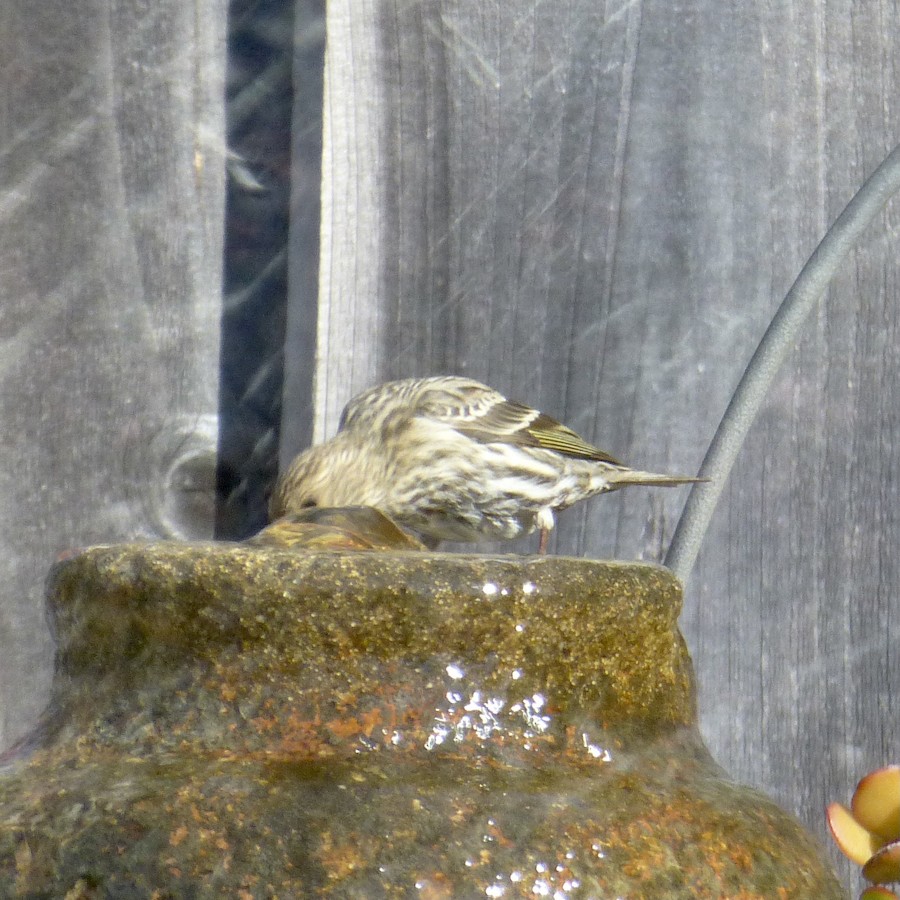
About the Gambel's Quail
Arizona's iconic desert quail with a distinctive teardrop-shaped plume. Often seen in coveys along washes and desert landscaping.
When to See Them in Arizona
Year-round. The Gambel's Quail is a permanent resident in Arizona and one of the most reliable backyard visitors. You can spot them at your feeders in every season. Their population tends to peak in late fall and winter when resident birds flock together and become even more feeder-dependent.
Birding tip: Morning hours — especially the first two hours after sunrise — are when resident species like the Gambel's Quail are most active and vocal. Set up your feeders in a spot with good sightlines from a window and you'll rarely miss them.
What They Eat
In Arizona, the Gambel's Quail's diet reflects what's locally available across seasons. At feeders, they're most drawn to Seed blends, cracked corn, millet, which mirrors the high-energy foods they seek in the wild. Offering the right food in the right feeder is the single biggest factor in successfully attracting Gambel's Quails to your yard.
During nesting season, Gambel's Quails also rely heavily on insects as a protein source for their young — so a pesticide-free garden benefits them beyond just the feeder.
How to Attract Them to Your Yard
Creating a welcoming habitat for Gambel's Quails in Arizona is straightforward once you understand what they need. Here are the most effective steps our experts recommend:
- Offer black-oil sunflower seed in a tube or hopper feeder — this is the single most effective food for attracting seed-eating species.
- Provide a clean water source year-round. A bird bath (heated in cold climates) is one of the best investments you can make — fresh water is often scarcer than food.
- Plant native shrubs and trees that produce berries or shelter nesting birds. Native plants adapted to Arizona's climate are the best choices for your garden.
- Keep feeders within 3 feet or beyond 30 feet of windows to minimize window strike risk — the most common cause of feeder-bird fatalities.
- Clean feeders regularly. Moldy or wet seed drives birds away and can spread disease through your local bird population. WBU No-Mess blends minimize hulls and spoilage.
Attract More Gambel's Quails to Your Yard
The right combination of food, feeders, and water makes all the difference. Our expert recommendations:

No-Mess Seed Blends
Our signature blends are formulated for local birds and contain no filler seed. Shell-free — no mess under your feeder, and every kernel gets eaten.
Shop Seed Blends
Tube & Hopper Feeders
From compact tube feeders to large capacity hoppers, we carry styles suited to every yard and every budget. Our staff can match you to the right feeder for Gambel's Quails.
Shop Feeders
Bird Baths & Water Features
Fresh water draws more birds than any feeder. Our bird baths keep water fresh and inviting — and the dripper adds the sound and motion that catches birds' attention from far away.
Shop Bird Baths